THE MADISON MARKET IS CLOSED EFFECTIVE SUNDAY, DECEMBER 31, 2023.
THANK YOU TO OUR LOYAL CUSTOMERS - WE HAVE ENJOYED SERVING YOU THE LAST 4 YEARS!
PIZZA IS OPEN - ORDER AND PICK-UP AT MADISON WINE&TAP! SUNDAY - 4-9pm MONDAY - CLOSED TUESDAY - 4-9pm WEDNESDAY - 4-9pm THURSDAY - 4-9pm FRIDAY - 4-10pm SATURDAY - 4-10pm
ORDER AND PICK-UP AT MADISON WINE & TAP ROOM 973-301-2000 - or @chownow.com
LOOK FOR UPDATES ON OUR NEW RESTAURANT COMING SOON!!!
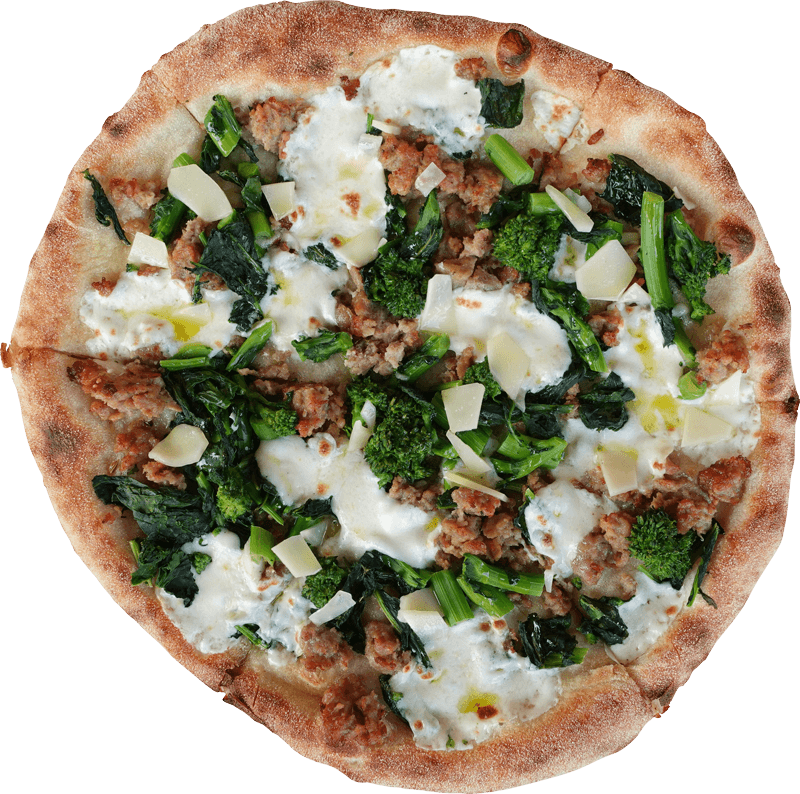
Neapolitan
Pizza
At Madison Market, we are proud to provide our customers with some of the best gourmet products around including freshly made Neapolitan Pizza! Originating in Naples, Italy, this pizza is known for its thin and crispy base as well as the fresh ingredients that go into it. At Madison Market we source the highest-quality ingredients to ensure that our version of this classic pie is unforgettable.
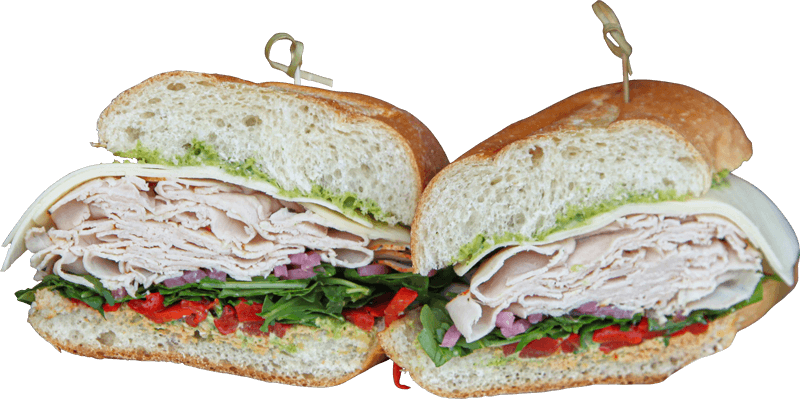
We pride ourselves in offering an array of gourmet ingredients that allow you to customize your sandwich just the way you like it. Each sandwich is made with the freshest ingredients, and you’ll be able to taste the difference in every bite. Whether you’re looking for something light or hearty, we have a wide selection of options that will satisfy your hunger and leave you wanting more!
We understand that nothing beats the smell and taste of a freshly made pastry. We strive to bring you all the goodness of homemade pastries while giving them our own unique gourmet twist. Our experienced bakers make sure each pastry is crafted with only the best ingredients and perfected for a delicious flavor. With our wide selection of flavors, you’re sure to find something that you’ll love. Whether it’s an old-fashioned favorite or a unique flavor, we have something for everyone.
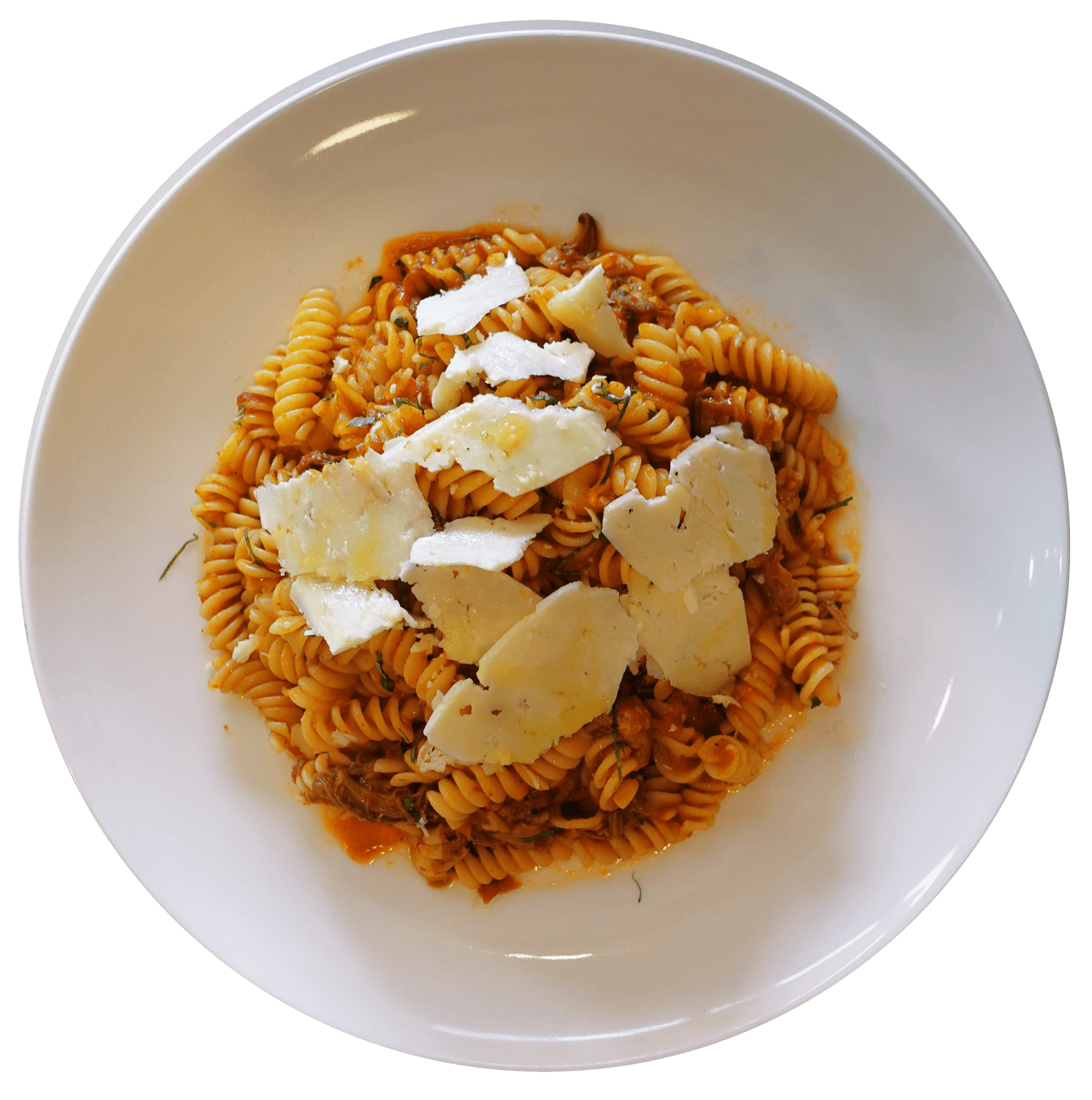
At Madison Market, we understand the importance of creating a delicious homemade pasta dish that is sure to impress your guests. Our selection of gourmet pastas made from scratch will give you an extraordinary culinary experience with every bite. Our wide variety of pastas are sure to delight everyone at your dinner table. Our pastas are made with the freshest ingredients and expertly crafted recipes so you can enjoy a truly gourmet meal any night of the week.
Madison Market is specialty food market & café serving the Madison (NJ) area. The Market includes a wine shop, café, bakery, pizzeria, salad station, delicatessen, a full kitchen serving prepared and made-to-order entrees.